Unmarried and Unbothered: How a Generation Is Turning Breakups and Bypasses Into Financial Power Moves
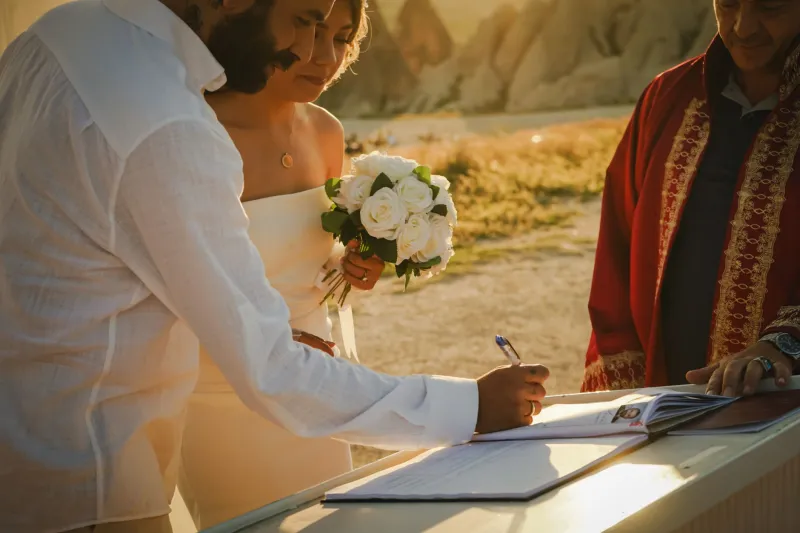
Let's start with the math nobody taught you in school. When you get married in the United States, you are not just pledging your heart — you are signing a legal contract that dictates how your debt, your assets, your future earnings, and your very identity get sorted if things go sideways. And somewhere between the Pinterest wedding boards and the champagne toasts, a lot of people forgot to read the fine print.
A growing number of millennials and Gen Z aren't forgetting anymore. They're reading it, rejecting it, and building something entirely different in its place.
Call it the divorce economy — except the most radical move in it is never getting married in the first place.
The Contract Nobody Asked For
Marriage law in the US is a patchwork of state-by-state rules that were largely designed in an era when women couldn't own property and "the family unit" meant one breadwinner and one person who made the sandwiches. Community property states. Equitable distribution states. Default inheritance rules. Spousal debt liability. The legal architecture of marriage was not built with your liberation in mind.
"I looked at what marriage actually is as a legal document and I was like — this is a merger," says Dani, 31, a freelance graphic designer living in Denver who has been with her partner for six years. "We love each other. We don't want to merge our financial entities. Those are two separate things and I don't know why we're supposed to treat them like they're not."
Dani and her partner have what she calls a "living agreement" — a private document they drafted with help from a progressive family law attorney that outlines how they handle shared expenses, individual savings, and what happens to their jointly purchased furniture if they ever split. No courthouse. No state involvement. No default rules written by legislators who've been dead for a century.
She's not alone. According to Pew Research, the share of Americans who have never been married has been climbing steadily for decades, and the sheer volume of young people who are in committed, long-term partnerships without legal marriage has quietly rewritten the social landscape.
Opting Out as a Power Move
For some, skipping marriage is less about paperwork and more about refusing to participate in a framework they see as fundamentally patriarchal — and economically rigged.
Take Marcus, 34, a musician and adjunct professor in Philadelphia who has watched several friends go through financially devastating divorces. "The people I saw get hurt the worst were always the ones who had given up income, or career opportunities, or their own financial independence, because the marriage said it would be okay. And then it wasn't okay. And the law caught up with them in ways they never anticipated."
Marcus has been with his partner for four years. They maintain completely separate finances, split shared costs through a spreadsheet, and have had explicit conversations about what commitment means to them that have nothing to do with legal status. "We're more intentional about our relationship than most married couples I know," he says. "Because we have to be. There's no default setting to fall back on."
That intentionality is something financial planners who work with non-traditional couples talk about constantly.
The Planners Rewriting the Rules
Jamila Osei is a certified financial planner based in Atlanta who has built a practice specifically around what she calls "partnership structures outside the conventional model." Her clients include polyamorous groups, long-term unmarried couples, queer partnerships navigating state law inconsistencies, and people who are legally married but deliberately keeping their finances architecturally separate.
"The assumption the financial industry makes is that you're going to get married, combine everything, and build wealth as a single unit," she says. "But that model concentrates risk. It also concentrates power. And a lot of my clients are deeply aware of who historically got the short end of that stick."
Osei works with clients to build what she calls "resilient partnership portfolios" — individualized financial structures that allow people to build wealth together without surrendering individual financial sovereignty. That might mean separate retirement accounts, co-ownership agreements drafted by attorneys for shared property, or beneficiary designations that route assets the way they want rather than the way state intestacy laws would default.
"The tools exist," she says. "Wills, trusts, co-habitation agreements, joint tenancy with right of survivorship — you can construct almost everything marriage provides legally, without the marriage. It takes more work upfront. But you're building something that actually reflects your values instead of inheriting someone else's."
Ceremony Without the State
Not everyone opting out of legal marriage is opting out of celebration. A whole cottage industry of alternative commitment ceremonies has bloomed up to meet the demand — rituals that honor love and partnership without a marriage license changing hands.
River Castellano is a commitment ceremony officiant in Portland, Oregon, who has been designing secular, non-legal union ceremonies for couples and polycules for three years. Their ceremonies range from intimate backyard gatherings with handwritten vows to elaborate rituals that involve community witnesses, symbolic exchanges, and even the drafting of shared "relationship intentions" documents.
"People want to mark something," River says. "They want their community to witness their love. They just don't want the government to be a third party in their relationship. Those are totally compatible desires."
The ceremonies River designs are often more emotionally resonant, they say, precisely because every element is chosen rather than defaulted. "When you're not filling in a template, you actually have to think about what you believe and what you want. That's scary for some people. But it's also where the real meaning lives."
The Breakup Economy Gets Honest
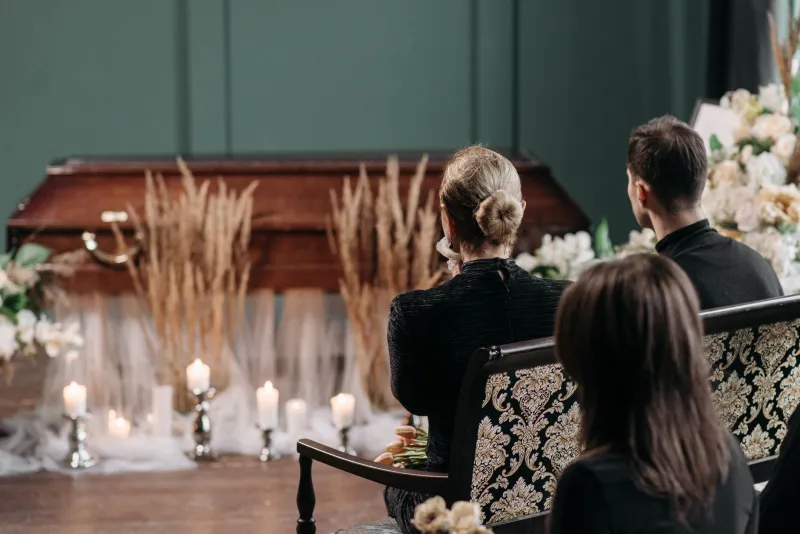
And then there's the other side of this conversation — the people who did get married, found themselves in the wreckage of divorce, and came out the other side with a radically different relationship to both love and money.
Sasha, 38, a UX designer in Chicago, spent two years untangling her finances from a marriage that ended in her late thirties. "I lost so much time," she says — not with bitterness, but with the flat clarity of someone who has done a lot of therapy. "Not the marriage. The financial recovery. Because we had combined everything and I had deprioritized my own career advancement and my own accounts because that's what you do, right? That's what I thought you did."
Now she's in a new relationship, deeply committed, and structurally independent. She has a co-habitation agreement. She has her own financial planner. She contributes to her own retirement accounts aggressively. "My partner knows exactly why I'm doing this and supports it completely. Because they watched me go through what I went through. We're building something real. We're just not building it the way our parents told us to."
Love That Doesn't Belong to the State
What all of these people share is something that looks, from the outside, like skepticism — but feels, from the inside, like clarity. The institution of marriage isn't inherently evil. But it was designed by a specific culture, for a specific social order, and it carries that history in its bones.
Choosing not to participate — or choosing to participate on radically restructured terms — isn't giving up on love. It might actually be the most serious thing you can do with it.
The most bohemian act available to you right now might not be a dramatic gesture or a public rebellion. It might just be sitting down with your person, a spreadsheet, and a really good attorney, and deciding together what your life actually looks like — without asking anyone's permission.