No Officiant Required: The Ritual Rebels Designing Their Own Life's Biggest Moments
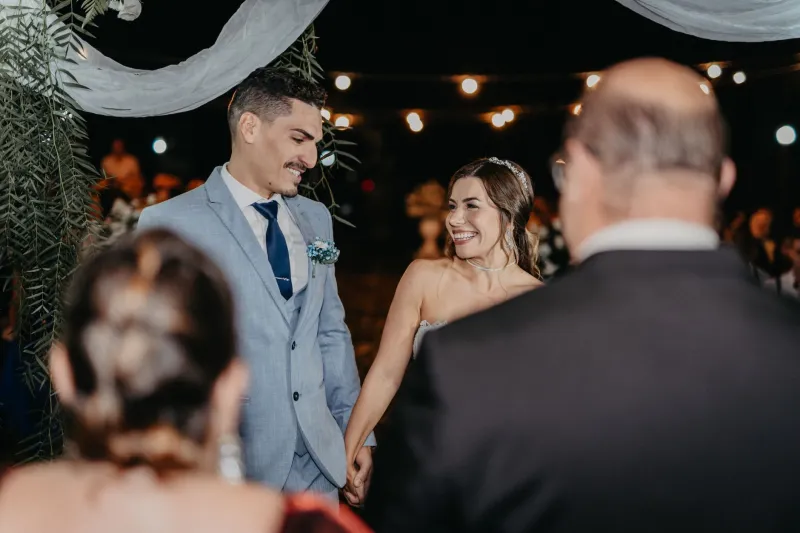
There's a moment in almost every traditional wedding where something feels slightly off. Maybe it's the officiant reciting lines they've delivered two hundred times before. Maybe it's the centerpieces that look exactly like the ones from your cousin's reception in 2019. Maybe it's the nagging sense that you've been handed someone else's script for the most significant day of your life and told to read it with feeling.
A lot of people are putting the script down.
Across the country, individuals, couples, and communities are quietly — and sometimes loudly — dismantling the idea that life's biggest moments need a certified gatekeeper. No wedding planner. No clergy. No etiquette columnist telling you that your handwritten vows are "too personal" for the venue. They're building ceremonies from scratch, pulling from DIY spirituality, chosen family wisdom, and an aesthetic sensibility that owes more to their actual lives than to a Pinterest board curated by a corporation.
The Industry Didn't Invent Ritual. It Just Cornered the Market.
Here's the thing nobody in the wedding-industrial complex wants you to think too hard about: humans were marking transitions long before there was a $72 billion industry built around it. Coming-of-age rites, commitment celebrations, grief ceremonies, seasonal markers — these things existed in every culture, in wildly varied forms, for thousands of years. What changed wasn't the human need for ritual. What changed was who got to sell it back to us.
Religious institutions held that monopoly for centuries. Then the event industry muscled in. Now you've got a situation where a "simple" backyard wedding still somehow runs $20,000 minimum, and a bar mitzvah can cost more than a semester of college tuition. The ceremonies themselves have become products, and the people at the center of them have become consumers.
Some people are done consuming.
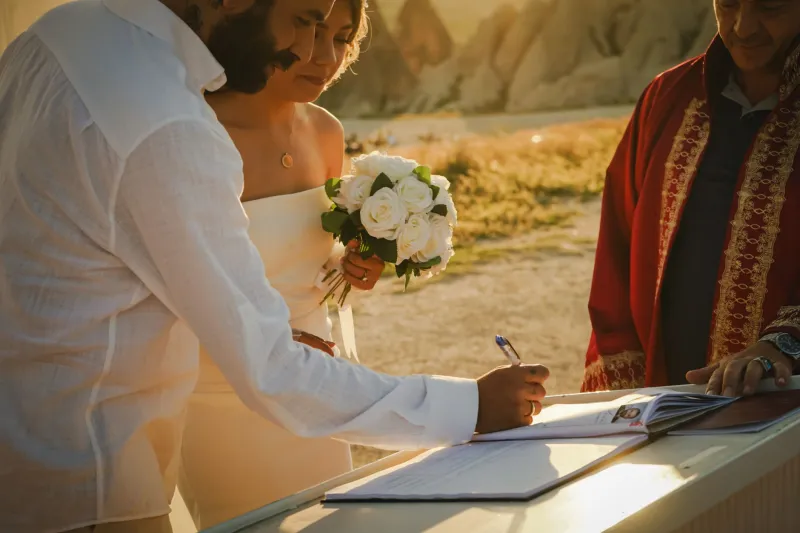
"I didn't want someone who didn't know us standing up there talking about love in the abstract," says Dani, 31, who co-designed her commitment ceremony with her partner and three close friends in a rented meadow outside Asheville, North Carolina, last spring. "We wrote everything ourselves. Our friend Marcus officiated — he got ordained online in about four minutes — and we built the whole thing around inside jokes, real memories, and a playlist that actually sounded like us. It cost maybe $800 total. I cried harder than I've ever cried at a 'real' wedding."
Coming-of-Age Without the Checkboxes
It's not just weddings. The rebellion against scripted milestones is showing up across every major life transition.
Parents in secular and spiritually fluid households are increasingly frustrated by the binary choice between a religious confirmation and... nothing. So they're building something in between. Elaborate "rite of passage" ceremonies for teenagers that borrow from indigenous traditions (with varying degrees of cultural sensitivity and intentionality), wilderness programs, storytelling circles, and community-designed challenges that ask young people to reflect on who they're becoming rather than simply showing up to receive a sacrament.
In Brooklyn, a loose collective of parents has been running what they call "threshold circles" for the past three years — gatherings where a teenager at a significant transition point sits at the center of a circle of trusted adults who each speak directly to the young person's specific gifts, struggles, and potential. No candles from a party supply store. No generic speeches. Just people who actually know this kid, saying true things out loud.
"My daughter said it was the first time she felt like adults were really seeing her, not just celebrating a milestone on a calendar," one participant told us. "She still talks about it."
Grief, Divorce, and the Ceremonies Nobody Sells You
Here's where the DIY ritual movement gets genuinely radical: it's not just about the happy stuff.
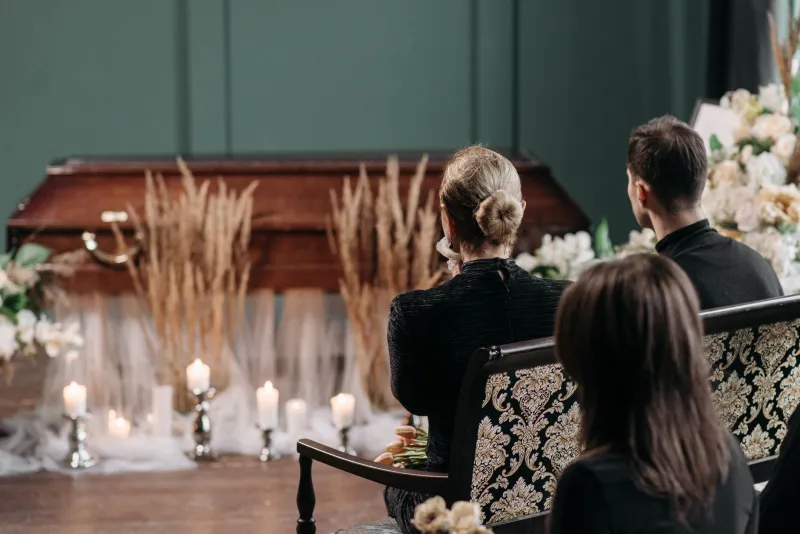
There's a growing conversation in progressive communities about the complete absence of meaningful ritual around loss and endings. Divorce, miscarriage, job loss, the death of a friendship, leaving a religion — these are massive life transitions that most people navigate with zero ceremony whatsoever. You just... move through them. Alone. Maybe with a therapist if you're lucky.
Some communities are changing that. Divorce ceremonies — sometimes called "uncoupling rituals" — are being designed by the people going through them, often with the help of chosen family rather than any professional. They involve returning symbolic objects, speaking intentions aloud, burning things (very popular, apparently), planting things, and creating a formal container for an ending that our culture typically treats as pure failure.
"We needed to mark it," says Theo, 38, who held a small gathering after finalizing his divorce after a twelve-year marriage. "Not to celebrate — we weren't celebrating. But to say: this was real, this mattered, and now it's over, and I'm still here. My friends showed up. We made food. People said things. It helped me move forward in a way that just signing papers never could have."
DIY Doesn't Mean Cheap. It Means Intentional.
One of the persistent myths about opting out of the ceremony industry is that it means settling for less. That a backyard gathering is a consolation prize for people who couldn't afford the real thing.
The ritual rebels will tell you the opposite is true — and they'll tell you with the kind of conviction that comes from lived experience, not theory.
Yes, DIY ceremonies are often dramatically more affordable. But the people designing them aren't primarily motivated by budget. They're motivated by meaning. They want every element — the location, the words, the food, the music, the witnesses — to be chosen because it reflects something true. And it turns out that when you strip away the vendor packages and the standardized timelines and the things you're "supposed" to do, what you're left with is the actual people and the actual moment.
That's not less. That's more.
The aesthetic that emerges from this approach tends to be wonderfully weird in the best possible way. Mismatched chairs and heirloom tablecloths. Ceremonies held at the park where the couple had their first real conversation. Vows that reference specific fights and specific breakthroughs. Flower arrangements made by a friend who's never done florals professionally but loves the person getting married. Food that reflects actual cultural heritage rather than a catering menu.
The Permission You Never Needed
The deeper thing happening here isn't really about weddings or rituals at all. It's about authority — specifically, about who gets to declare a moment official, meaningful, real.
For a long time, that authority lived with institutions. The church. The state. The etiquette establishment. The industry that grew up around all of them. And those institutions did something very clever: they convinced us that a moment wasn't truly meaningful unless it had been validated by the right people, performed in the right place, according to the right rules.
The ritual rebels are calling that bluff. They're saying: meaning isn't something you purchase or receive from an authorized source. It's something you make, together, with the people who actually know you, in the specific language of your specific life.
You don't need a $500-an-hour wedding coordinator to have a ceremony that matters. You don't need a religious institution to mark a transition as sacred. You don't need anyone's permission to declare a moment significant.
You just need to show up. To mean it. And to invite the people who will mean it with you.
That's it. That's the whole ceremony.